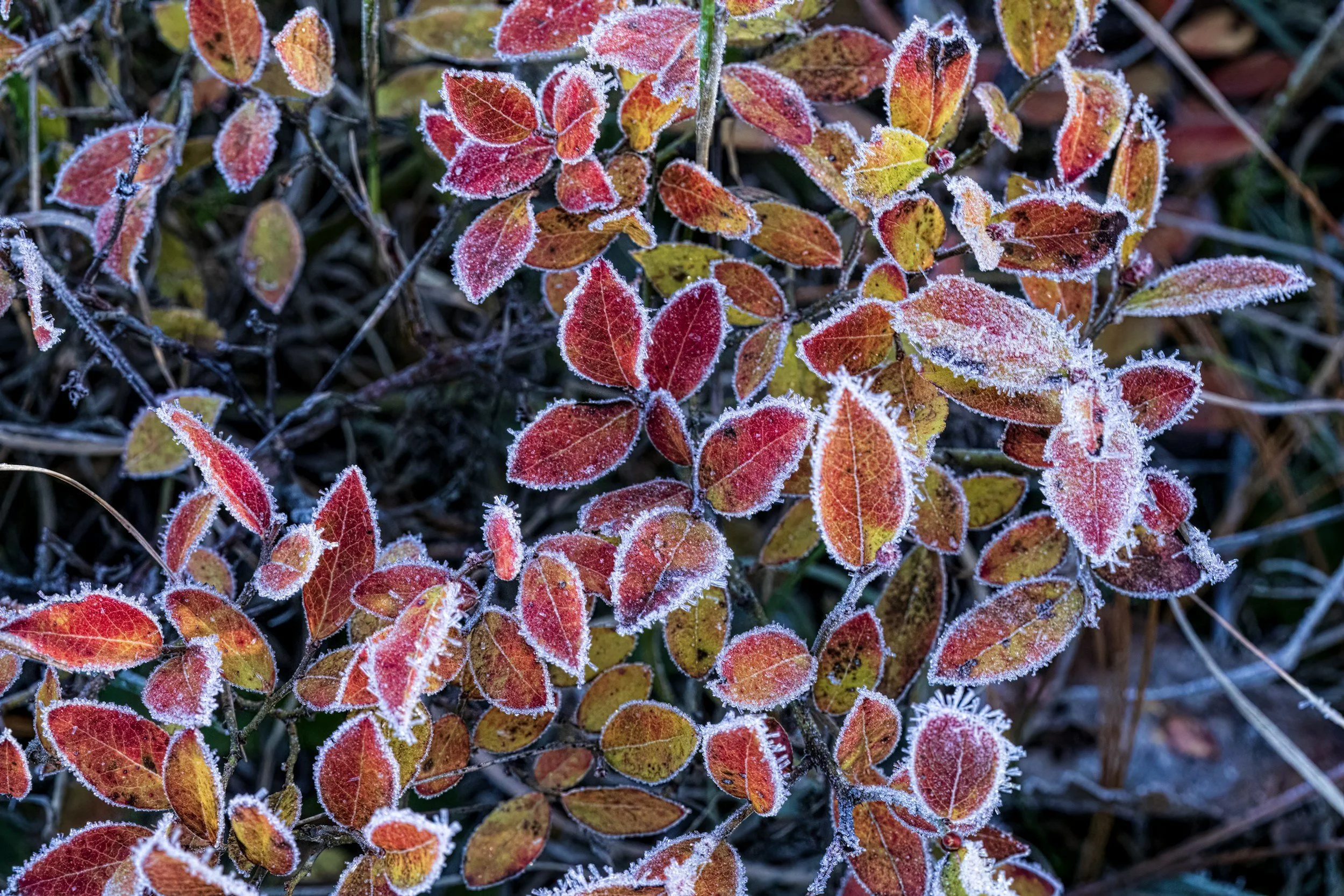
Learn how to protect plants from a freeze with 11 proven techniques - mulch, frost cloth, irrigation strategies, cold-hardy plants, and more. Keep your garden safe during winter cold snaps.
When winter temperatures dip below freezing, your landscape and garden can suffer serious damage. Protecting plants from a freeze is far easier when you prepare in advance. Use these expert freeze-protection techniques to shield your plants, prevent winter injury, and help your garden thrive all season long.
1. Choose Cold-Tolerant Plants for Your Hardiness Zone
The best freeze protection begins at planting time. Select trees, shrubs, and perennials suited to your USDA hardiness zone. Cold-adapted plants naturally withstand freezing temperatures better than tropical or tender ornamentals.
2. Shut Off Irrigation Before a Freeze
Photo by Karola G on Pexels.com.
Water thoroughly before a freeze, then shut off automatic irrigation systems.
This helps prevent: Frozen or burst pipes; Ice buildup on foliage; Turfgrass damage.
Avoid walking on frozen turf or touching frozen plants. If temperatures remain below freezing for a prolonged stretch, wait until conditions warm before turning irrigation back on.
3. Mulch to Insulate Roots
Photo by Alfo Medeiros on Pexels.com.
Apply 2-3 inches of organic leaf mulch, straw, pine bark, or pine needles around plant bases.
Mulch helps: Insulate and stabilize soil temperatures; Protect roots from freeze/thaw cycles; Reduce moisture loss.
This is one of the easiest and most effective freeze-protection methods.
4. Apply Antidesiccant Sprays to Evergreens
Photo by Sitthan Kutty on Pexels.com.
Evergreens lose moisture during winter winds and dry cold weather. Apply antidesiccant (anti-transpirant) sprays to help reduce moisture loss and protect foliage.
5. Use Incandescent Lights Instead of LEDs
Photo by James Wheeler on Pexels.com.
If you use holiday string lights to warm sensitive plants: Choose incandescent lights (they emit heat). Wrap loosely around plants. Add a protective covering for enhanced warmth.
Important: Remove coverings and turn off lights once temperatures rise into the upper 30s to low 40s. Leaving lights on under a cover during warming conditions can overheat and damage plants.
6. Cover Plants with Frost Cloth or Blankets
Photo by Vanessa Martins on Pexels.com.
Use breathable frost cloth, burlap, or blankets to capture radiant heat from the soil.
For effective protection: Drape coverings all the way to the ground to capture radiant heat from the soil. Anchor edges with bricks, stones, or sod staples. Keep fabric off foliage with stakes or frames to support fabric. Avoid wrapping the crown by laying the fabric directly on the branches and tying tightly at the trunk (like the wrapper on a lollypop) - this traps no heat and offers almost no protection.
Cloth vs. Plastic: Cloth provides better protection than plastic and is more effective. Plastic may be however be used as a secondary outer layer, over the cloth layer for added protection.
7. Don't Prune After Freeze Damage
If plants freeze and leaves turn brown, don't prune immediately. Damaged foliage acts as insulation. Wait until after your area's last frost date to prune. Hardy frozen-back plants can recover beautifully in spring.
8. Delay Planting Cold-Sensitive Plants
Hold off on installing tender ornamentals until all danger of frost has passed. Early-season plantings are especially vulnerable to sudden cold snaps.
9. Using Water to Protect Plants During a Freeze (Advanced Method)
Commercial growers protect citrus, strawberries, and other crops by applying continuous overhead irrigation during freezes.
As water freezes, it releases heat, protecting plant tissue - but only if the water runs continuously until temperatures rise above the mid-30s.
Stopping water too soon can freeze plants solid, causing severe damage. This method is only recommended for experienced growers. Once the irrigation is begun it must run continuously without stopping until temperatures rise above freezing.
10. Bring Container Plants Indoors
Photo by Huy Phan on Pexels.com.
Potted plants freeze faster than those planted in the ground. Move containers: Indoors; Into a garage; Under large canopy trees; Onto a sheltered porch.
11. Experimental Technique: Freeze-Protection Spray Foam
Some growers have tested agricultural spray foam as temporary freeze protection for: Annual color beds; Groundcovers; Low-growing crops; Small shrubs.
The foam forms insulating bubbles that trap radiant heat and last about 24 hours. It melts away as temperatures warm or rainfall/irrigation occurs.
It is ineffective in windy weather conditions. It is not widely available at present. Early trials promised effective protection for late fall and early spring short-duration freeze events.
Conclusion: Prepare Early for the Best Freeze Protection
Protecting plants from a freeze is all about preparation. By choosing cold-hardy plants, insulating soil, covering vulnerable foliage, managing irrigation wisely, and using advanced techniques when needed, you can dramatically reduce winter damage. Even during unexpected cold snaps, these proven strategies help your garden rebound quickly and stay healthy through the winter months.
With a little planning and the right techniques, your landscape will benefit from protection - no matter how low the temperature drops.